The Future of AI: How Artificial Intelligence is Transforming Our World
Artificial Intelligence (AI) is no longer a concept limited to science fiction movies or research labs. It has become a part of everyday life and continues to reshape industries, businesses, and the way people interact with technology. From personalized recommendations on streaming platforms to smart assistants on mobile phones, AI is influencing countless aspects of modern living.
What is Artificial Intelligence?
Artificial Intelligence refers to the ability of machines and computer systems to perform tasks that typically require human intelligence. These tasks include learning from data, recognizing patterns, understanding language, solving problems, and making decisions.
AI works by using algorithms and large amounts of data to identify trends and improve performance over time. Machine learning, a branch of AI, enables systems to learn automatically without being explicitly programmed for every task.
How AI is Used Today
AI applications are expanding rapidly across different sectors. Some common examples include:
Healthcare: AI helps doctors analyze medical images, predict diseases, and improve patient care.
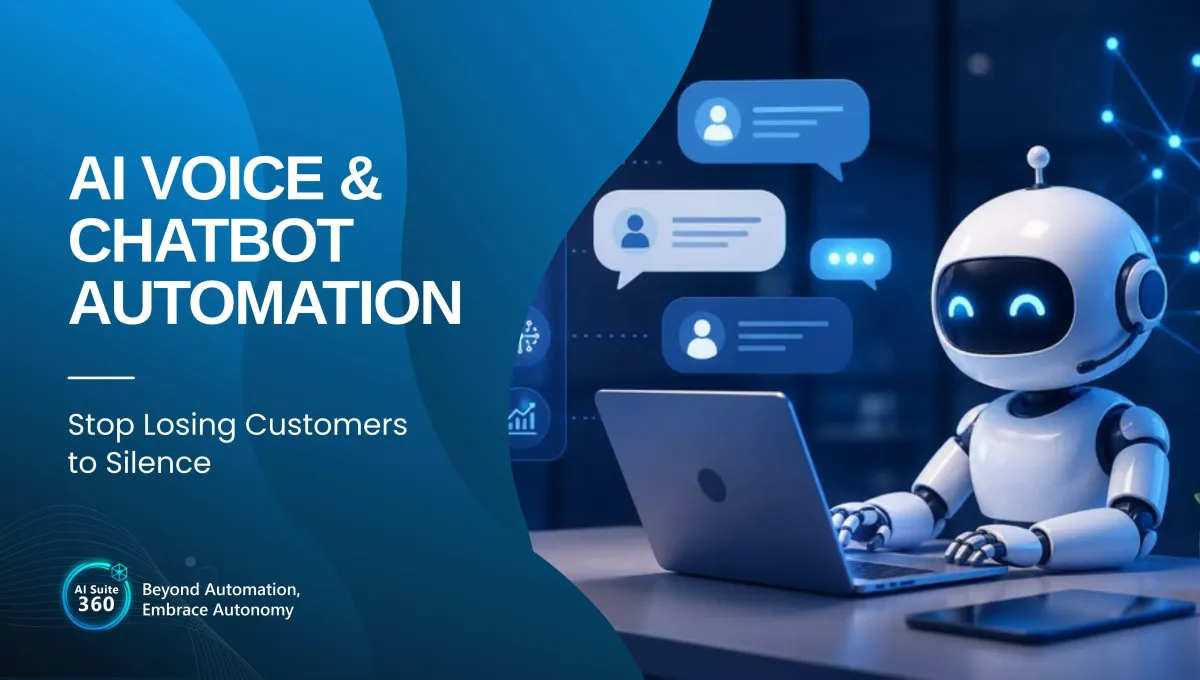
Business: Companies use AI for customer support chatbots, automation, and data analysis.
Education: AI-powered tools provide personalized learning experiences for students.
Finance: Banks use AI to detect fraud and manage financial risks.
Marketing: Businesses use AI to analyze customer behavior and create targeted campaigns.
Benefits of AI
One of the biggest advantages of AI is efficiency. Tasks that previously required significant time and effort can now be completed much faster. AI can also process large amounts of information more accurately than humans in certain situations.
Some major benefits include increased productivity, improved customer experiences, reduced human error, and better decision-making through data analysis.
Challenges and Concerns
Despite its advantages, AI also raises important concerns. Privacy issues, data security, job displacement due to automation, and ethical decision-making are commonly discussed topics.
As AI technology continues to evolve, organizations and governments are working to establish responsible guidelines and regulations to ensure AI is used ethically and safely.
Conclusion
Artificial Intelligence is shaping the future in remarkable ways. As technology advances, AI will likely become even more integrated into daily life and business operations. Understanding its capabilities, benefits, and challenges is essential for individuals and organizations looking to adapt in an increasingly digital world.
AI is not just changing technology—it is changing the way the world works.